North Bengaluru recorded nearly ₹1,100 crore in branded township project sales in 45 days — an extraordinary velocity that signals the corridor has crossed from speculative to genuinely investable. On March 16, 2026, Brigade Enterprises announced a 25-acre industrial park in Devanahalli, targeting manufacturing, logistics, technology hardware, and supply chain companies.
The infrastructure case is clear: Kempegowda International Airport expansion and upcoming suburban rail links have structurally altered the corridor's connectivity. But beneath the market momentum, there is a set of regulatory questions that architects and developers cannot ignore.
Why North Bengaluru Is Growing Now
Three overlapping triggers have converged in 2026:
Airport infrastructure: Kempegowda International Airport's terminal expansion has been confirmed and funded. This is no longer speculative — airside capacity is increasing, and the economic gravity around the airport is real.
Suburban rail: The proposed Bengaluru Suburban Rail Project (BSRP) corridors pass through North Bengaluru, with confirmed alignments that connect Devanahalli, Yelahanka, and Hebbal to the city core. When operational, this will dramatically compress commute times — the primary deterrent for residential demand in the corridor.
Industrial anchoring: Brigade's industrial park announcement follows a pattern seen in Pune's Chakan and Hyderabad's HITEC City — once a large institutional developer bets on a corridor with an industrial-scale project, complementary residential and commercial supply typically follows within 18–24 months.
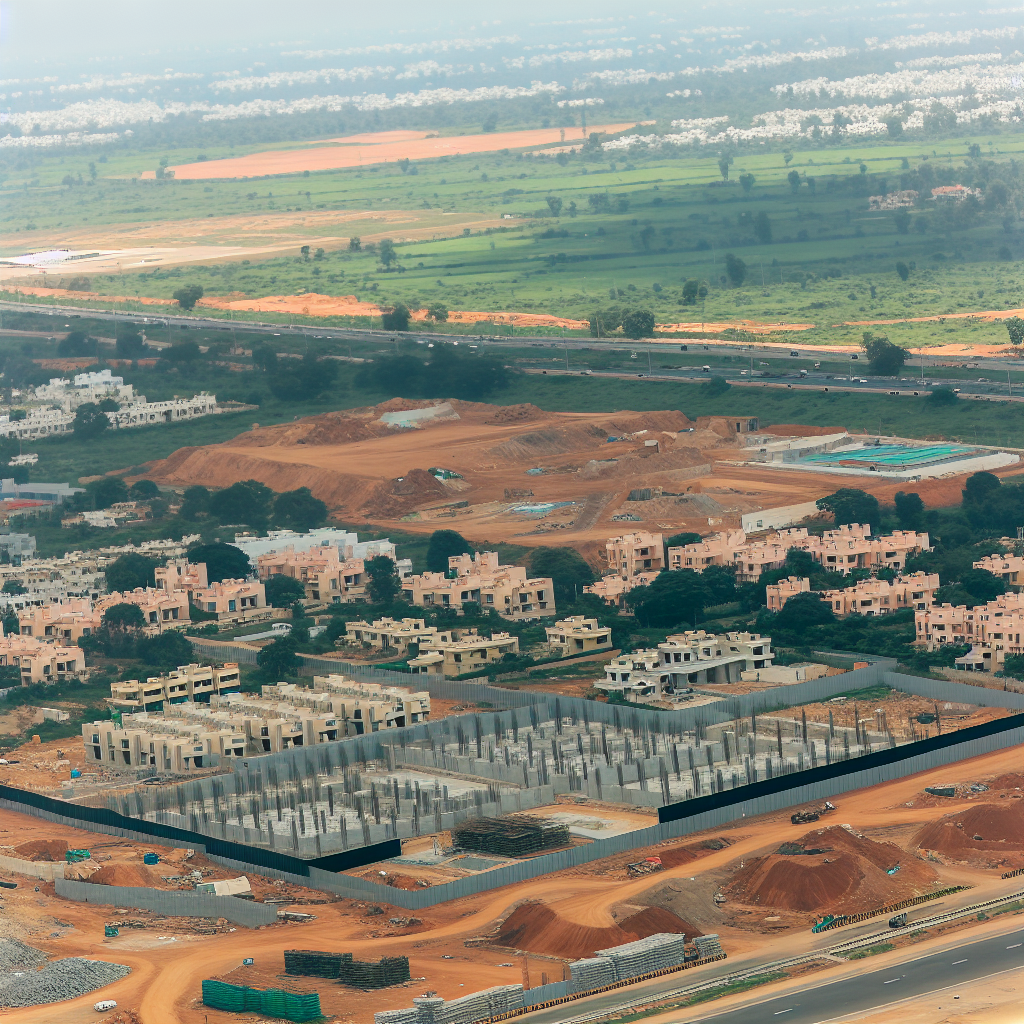
The Zoning Landscape in North Bengaluru
Most of North Bengaluru falls in GBA Ring III under the BDA master plan. Ring III has different FAR, setback, and density norms compared to the inner rings — and the GBA Amendment Regulations 2026 apply here as well.
Key regulatory facts for this corridor:
Land use classifications: Devanahalli and the broader Kempegowda Airport area are governed by a combination of BDA jurisdiction and KIADB (Karnataka Industrial Area Development Board) zones. Industrial park projects like Brigade's require Current Land Use (CLU) change approval if the parcel is not already classified as industrial or special economic zone land.
Township projects: Large-scale township layouts (generally 10 acres and above) require BDA layout sanction, which triggers a full infrastructure contribution requirement — roads, water, sewerage, parks. The 9 m road width mandate from the GBA 2026 amendment applies within the township layout for all apartment components.
FAR and height: Ring III residential zones typically operate at FAR 1.5–1.75 and height limits that now go up to 15 m under the January 2026 amendment. Confirm the specific sub-zone classification before finalizing unit yield calculations.
Agricultural land conversion: A significant portion of North Bengaluru is still classified as agricultural land (Section 79A/79B land under the Karnataka Land Reforms Act). Conversion approval is mandatory before any development — this adds 6–18 months to the project timeline and must be factored into acquisition due diligence.
What This Means for Architects and Developers
For township developers: The 45-day sales velocity figures reflect demand absorption — not regulatory clearance timelines. Projects that do not have BDA layout sanction, RERA registration, and CLU approvals in place are selling illegally under RERA. Institutional capital providers are now requiring clean RERA records before co-investing — check compliance before marketing.
For architects designing industrial campuses: KIADB zone norms apply different coverage and setback rules from residential zones. Ground coverage of up to 60% is typical for industrial plots, compared to 40–50% in residential zones. Confirm KIADB plot allotment conditions — they often include built-up area completion timelines.
For planning consultants: Clients acquiring land in this corridor will frequently encounter parcels that are partially BDA-zoned and partially under gram panchayat or revenue division jurisdiction. Title due diligence must map the exact jurisdictional boundary — especially for parcels that straddle village administrative limits and BDA planned areas.
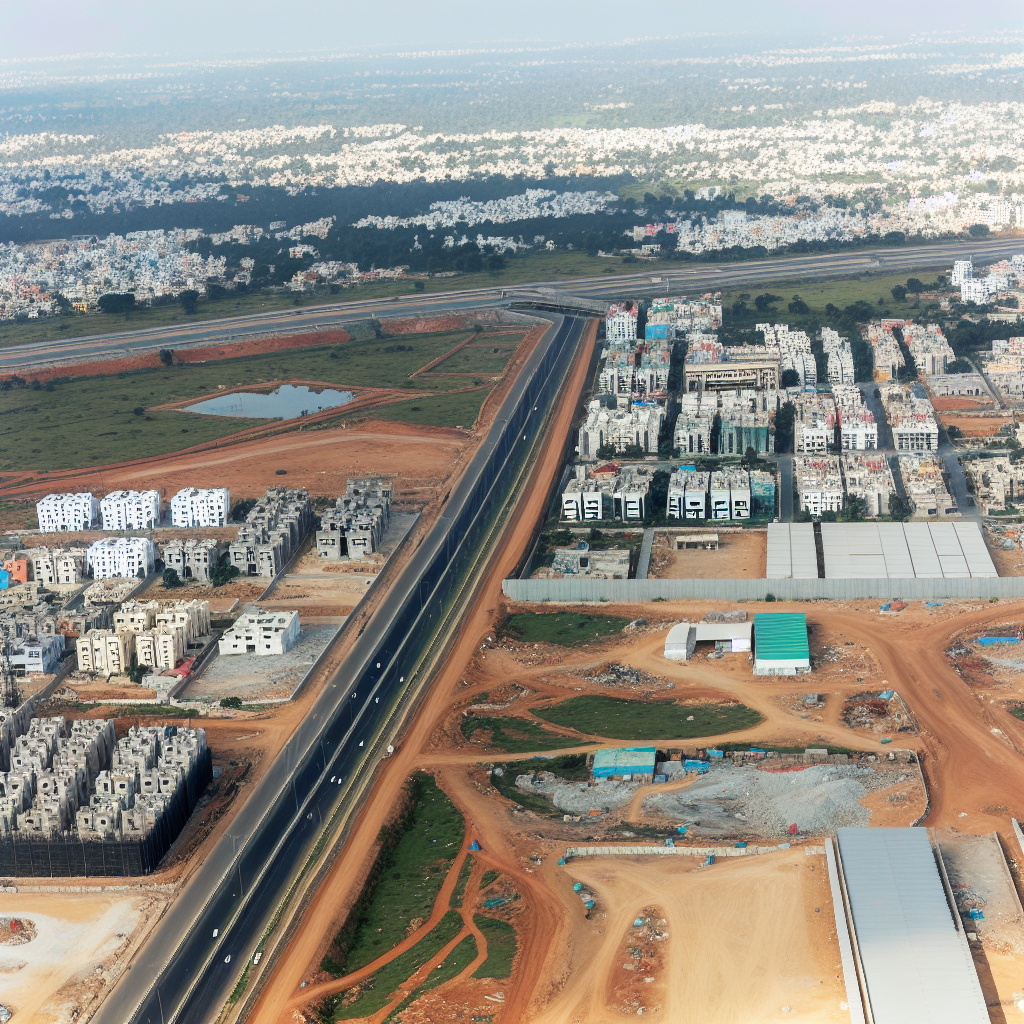
The Regulatory Complexity Is the Opportunity
The speed of this corridor's growth is creating a predictable gap: market demand is moving faster than regulatory familiarity. Developers and architects who understand the Devanahalli zoning matrix — Ring III FAR, KIADB overlay zones, agricultural conversion requirements, airport zone height restrictions, and the new GBA 2026 setback rules — have a structural advantage over those relying on outdated knowledge.
Zoneity has built a queryable index of exactly this regulatory layer — so that instead of commissioning a 3-week consultant report to understand what you can build on a North Bengaluru parcel, you get an answer in seconds. Try Zoneity free or subscribe to amendment alerts.